
English
A Healthy Brain for Life: Start Protecting Yours Today
Oct
Your brain controls how you think, remember and feel. Protecting it today helps preserve your independence and quality of life tomorrow.
Brain Ageing: A Growing Health Concern
As Malaysia’s population ages, dementia is becoming a growing concern.
According to the National Health and Morbidity Survey (NHMS) 2025, approximately 1 in 10 Malaysians aged 60 and above live with dementia. This compares with 8.5% in 2018.
By 2050, an estimated 637,500–825,000 Malaysians could be living with dementia.
Dementia affects memory, thinking, behaviour and daily activities. It can reduce independence, place emotional and financial pressure on families, and increase healthcare demands.
However, dementia is not an inevitable part of ageing. Research suggests that up to 45% of dementia cases could potentially be prevented or delayed by addressing risk factors.
Know Your Risk Factors
Some risks cannot be changed, but many can be managed.
- Age, Family History and Genetics
- Age above 65, when dementia risk rises significantly.
- Family history of Alzheimer’s disease.
- Women have a higher lifetime risk of Alzheimer’s disease.
- Genetic factors, including APOE ε4 and rare APP, PSEN1 or PSEN2 mutations.
- Medical Conditions
- High blood pressure, elevated LDL cholesterol.
- Diabetes, obesity, heart disease or stroke.
- Hearing loss or untreated vision loss.
- Depression.
- Previous traumatic brain injury or serious brain infections.
- Lifestyle and Environment
- Smoking and excessive alcohol consumption.
- Physical inactivity and poor sleep.
- Social isolation.
- Air pollution.
- Lower educational attainment or limited opportunities for learning.
Having risk factors does not mean you will develop dementia. Managing them early can help protect your brain.

Prevention Starts with Everyday Habits
- Eat for a Healthy Brain
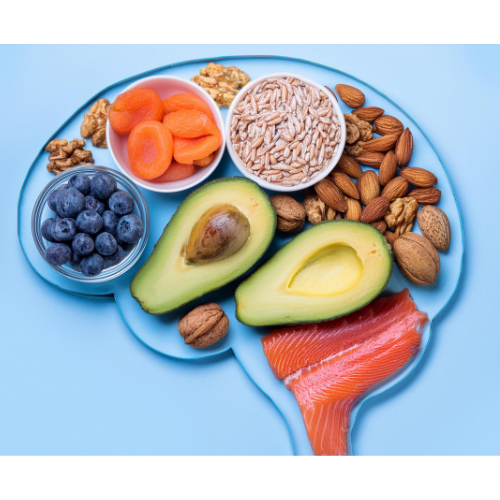
A Mediterranean-style diet supports heart and brain health. Choose:
- Vegetables and fruits: Leafy greens, broccoli and berries.
- Whole grains: Oats, brown rice and wholemeal bread.
- Healthy fats: Olive oil, nuts, seeds and avocado.
- Omega-3-rich fish: Salmon, sardines and mackerel.
- Plant proteins: Beans, lentils and chickpeas.
Limit trans fats, saturated fats, refined sugars, processed foods and sugary drinks.
- Stay Physically Active
Combine different types of exercise:
- Cardio: Brisk walking, cycling, swimming or jogging.
- Resistance: Weight training, resistance bands or bodyweight exercises.
- Coordination and balance: Dancing, badminton or tai chi.
Aim for at least 150 minutes of moderate exercise weekly, plus strength training twice a week.
- Sleep Well
Sleep supports memory, learning and brain recovery.
Aim for around 7.5 hours of quality sleep, although most adults need 7–9 hours. Keep regular sleeping and waking times, avoid screens before bedtime and maintain a comfortable sleeping environment.
- Manage Stress
Chronic stress affects memory, concentration and sleep.
Practise mindfulness, meditation, deep breathing or outdoor activities. Stay socially connected and make time for hobbies.
- Keep Your Brain Active with Family
Enjoy activities that challenge your brain while strengthening family relationships:
- Card and board games: Memory, strategy and problem-solving.
- Dancing: Rhythm, memory and coordination.
- Drawing and painting: Creativity and visual thinking.
- Musical instruments: Attention, coordination and learning.
- Writing and journaling: Memory, language and reflection.
- Learning new skills: Languages, hobbies or unfamiliar activities.
Staying mentally and socially active supports healthy ageing, although no single activity guarantees dementia prevention.

Recognise the Early Warning Signs
Occasional forgetfulness is common. However, persistent or worsening changes deserve medical attention.
- Memory Problems
- Frequently forgetting recent conversations.
- Repeatedly misplacing items.
- Forgetting familiar names or objects.
- Asking the same questions repeatedly.
- Confusion and Poor Judgement
- Getting lost in familiar places.
- Making unusual or poor decisions.
- Difficulty recognising familiar people, especially in advanced stages.
- Difficulty with Daily Activities
- Trouble planning or organising tasks.
- Difficulty preparing familiar meals.
- Struggling with familiar games.
- Increasing dependence on others for daily activities.
- Mood and Behavioural Changes
- Persistent low mood or loss of interest.
- Social withdrawal.
- Increased anger, irritability or suspiciousness.
- Delusions or hallucinations, particularly in later stages.
Early recognition matters. These symptoms do not always mean dementia. Depression, medications, thyroid disorders and vitamin deficiencies can cause similar problems.
Seek medical advice if symptoms persist or worsen.
Early Screening: Know Your Brain Health
Early assessment can identify cognitive changes and health risks, allowing timely intervention.
- Brain Function Screening
Consult a doctor for memory and thinking assessments, which may include:
- Mini-Mental State Examination (MMSE) or similar cognitive screening tools.
- Assessment of memory, attention, language and orientation.
- Further evaluation if cognitive problems are suspected.
These tests help detect possible impairment but cannot diagnose dementia alone.

- Comprehensive Blood Tests
Blood tests help identify health conditions that may affect brain health.
A holistic assessment may include:
- General Health: Blood count, kidney and liver function, nutritional status.
- Cardiovascular Risk: Cholesterol, LDL, ApoB and other relevant markers.
- Metabolic and Inflammatory Health: Blood glucose, HbA1c and selected markers such as CRP.
- Hormonal Health: Thyroid function and selected hormones when clinically appropriate.
Blood tests cannot directly measure brain function, but they help identify treatable conditions and risk factors.
Screening should be personalised according to symptoms, age, medical history and individual risks.
Protect Your Brain Today. Preserve Your Independence Tomorrow.
Healthy habits, early recognition and appropriate screening can make a meaningful difference.
Take the first step towards better brain health.
Explore Our Cardiometabolic Hormone Panel
Explore Our Digital Brain Function Screening
Reference:
1) National Health and Morbidity Survey (NHMS) 2025
2) Mayo Clinic. Alzheimer’s Disease https://www.mayoclinic.org/diseases-conditions/alzheimers-disease/symptoms-causes/syc-20350447
3) A Armstrong R. Risk factors for Alzheimer’s disease. Folia Neuropathol. 2019;57(2):87-105.
https://pubmed.ncbi.nlm.nih.gov/31556570/
4) Lui F, Tsao JW. Alzheimer Disease. 2024 Feb 12. In: StatPearls [Internet]. Treasure Island (FL): StatPearls Publishing; 2024 Jan–.
https://pubmed.ncbi.nlm.nih.gov/29763097/
5) Dementia: Almost half of cases could be prevented by tackling 14 risk factors, says commission
https://www.bmj.com/content/386/bmj.q1723